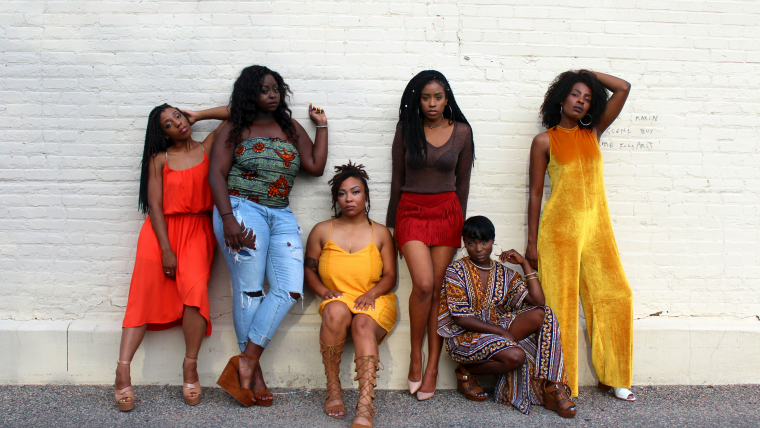
Across these intertwined narratives, Aidoo reveals how deeply language shapes gender and power in African societies. Patriarchy speaks in both whispers and commands, glorifying women’s sacrifice through idioms, and romanticising their suffering through proverbs, as seen in Esi’s conversation with her grandmother, Nana. Also, through casual conversations, patriarchal language is used to reduce women’s ambitions to “Western” delusions.
Cover Image Courtesy: Clarke Sanders // Unsplash As we celebrate the strides made toward gender equality and move toward gender equity, it seems a critical narrative – the consequences of toxic masculinity – is being overlooked. Societal expectations have forced men into rigid moulds, as culture continues to prioritise male stoicism, dominance, and aggression over essential human qualities like vulnerability,…
Cover Image Courtesy: Jessica Felicio // Unsplash Across boundaries and generations, the shared experiences of guilt and shame form an unspoken bond among women. For centuries, the whisper of self-doubt has echoed in our minds, questioning our choices, intentions, and aspirations. Although the guilt of living one’s life is a common thread running through most women’s lives, this shared experience…
The perpetuation of harmful gender stereotypes in Ghanaian media contributes significantly to the erosion of women’s contribution and the marginalisation and exclusion of women, strengthening existing social and economic disparities.
To illustrate, Ghana stood out as one of the top three economies in the 2020 MasterCard Index of Women Entrepreneurs (MIWE), boasting an impressive percentage of female business owners.